The Impact of SPF Lookup Failure on Your Domains
Try Our Free SPF Checker
Instantly analyze any domain's SPF record — check syntax, count DNS lookups, and flag errors.
Check SPF Record →SPF (Sender Policy Framework) lookup failure occurs when a recipient’s mail server tries to locate your SPF record to verify if a particular IPv4 or IPV6 IP address or email server is allowed to send emails on your behalf, however, it encounters an error. This prevents it from a successful SPF authentication process, which can have a number of consequences.

Causes of SPF Lookup Failures
SPF lookup failures also trigger DMARC and DKIM issues, causing messages to fail authentication checks, which consequently hits the success rate of delivery of marketing emails. A receiving server may encounter an SPF lookup failure due to one or multiple of these reasons-
Missing SPF Record
The sender’s domain lacks a well-defined SPF record published to its DNS, causing an SPF Permerror.
Syntax Errors
Recipients’ mail servers fail to interpret information in your SPF record due to misconfigurations, typos, or syntax errors (the incorrect use of mechanisms, modifiers, and qualifiers).
DNS Issues
Temporary DNS issues or misconfigurations in the DNS infrastructure impede the SPF-check process for a message.
Too Many DNS Lookups
SPF records exceeding the DNS lookup limit of 10 become prone to SPF lookup failure errors.
DNS Timeout
If the recipient’s email server experiences DNS lookup timeouts while trying to retrieve the SPF record, the situation may result in an SPF lookup failure issue.
Consequences of SPF Lookup Failure
Increased Risk of Phishing and Spoofing Attacks
SPF lookup failure is equivalent to an absence of any email security protocol for your domain. This allows hackers to send malicious emails using your domain name and posing as someone from your company.
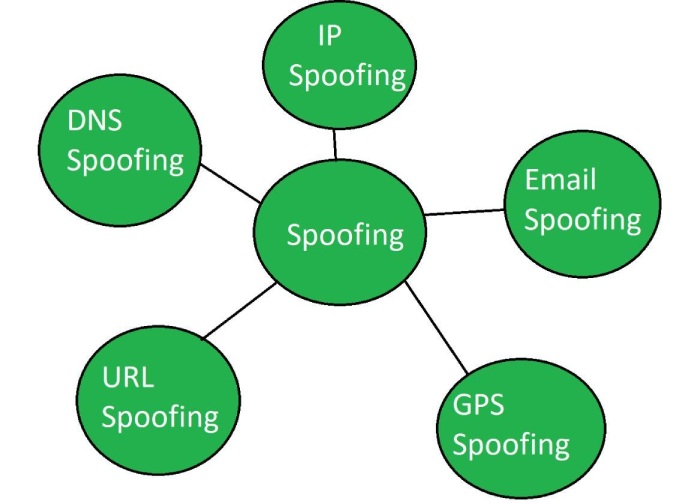
Types of Spoofing Attacks
Image sourced from geeksforgeeks.org
Poor Email Deliverability
The probability of your emails landing in the primary inbox reduces. Most emails sent from your organization’s domain either get placed in the spam folder or rejected, depending upon mechanisms used in your SPF record.
Poor Sender Reputation
Email service providers (ESPs) often use domain reputation as a factor in their spam filtering algorithms. This way, even your genuine emails can get misidentified as spam.
Risk of Data Breaching
SPF lookup failure allows malicious actors to attempt phishing and spoofing attacks where they can get unauthorized access to sensitive and confidential data, wreaking havoc for your brand.
Legal and Compliance Issues
Data breaching and leakage escalate to legal problems, and you may get subjected to heavy penalties and regulatory fines for failing to protect your customers’ databases and losing their trust.

Where Does AutoSPF Fit in the Picture?
AutoSPF compresses SPF DNS records for enhanced email authentication and security. We carefully analyze SPF records that exceed the DNS lookup limit, followed by merging multiple records, getting rid of redundancies, and replacing domains with their IP addresses.