Efficient DMARC tools are needed after the UK NCSC changes

Quick Answer
Starting 24 March 2025, the National Cyber Security Center in the UK has put an end to DMARC aggregate reporting - a feature that helped domain owners and administrators evaluate the efficacy and correctness of SPF, DKIM, and DMARC configurations. This significant change reflects a critical bracket for public sector organizations operating in the UK, especially the ones who relied on.
Try Our Free DMARC Checker
Validate your DMARC policy, check alignment settings, and verify reporting configuration.
Check DMARC Record →
SubscribeShare
DMARC (RFC 7489) ties SPF and DKIM together by requiring alignment between the envelope sender and the visible From header. According to Google’s February 2024 bulk sender requirements, a DMARC policy of at least p=none is now mandatory for any domain sending 5,000+ messages per day to Gmail users.
For a complete overview, see our comprehensive DMARC guide.
Starting 24 March 2025, the National Cyber Security Center in the UK has put an end to DMARC aggregate reporting - a feature that helped domain owners and administrators evaluate the efficacy and correctness of SPF, DKIM, and DMARC configurations. This significant change reflects a critical bracket for public sector organizations operating in the UK, especially the ones who relied on Mail Check to monitor their email security postures and shield their domains from irrational activities.
Domain spoofing stands as a grave cyberattack vector that intends subsequent phishing attacks, financial thefts, data losses, spreading malware, etc. Threat actors often look for domains with no or low security, and the absence or misconfiguration of DMARC is one such vulnerability. If you have a properly set up DMARC for your domain, then unauthorized emails sent from it are either marked as spam by the recipient’s mailbox or are rejected. This makes DMARC the hero of the email security toolkit.

However, DMARC is pretty incomplete without DMARC reporting. DMARC reporting is a mechanism that sends feedback to domain owners about how their emails are being authenticated and handled by receiving mail servers. It provides visibility into who is sending emails on your domain’s behalf, helping identify and block unauthorized senders. It strengthens email security by enabling domain owners to monitor and enforce SPF and DKIM alignment.
DMARC aggregate report includes the following details-
-
Reporting ESP details
-
Header-from domain
-
DMARC policy
-
Alignment settings
-
Sender’s IP address
-
Message authentication status and data
-
Number of messages sent
The discontinuation of the UK NCSC’s reporting feature
The fact is that DMARC works in the background and is often handled by service providers. Because of this, many organizations don’t even realize the importance of DMARC reporting. To make them realize its value, NCSC has taken the proactive step. By eliminating the Mail Check’s reporting feature, NCSC is prompting UK public sector organizations to be more involved and focused in managing email security, primarily through SPF, DKIM, and DMARC.

What this means for them is finding new and efficient reporting tools, assigning people and budget to manage them, and also reaching out to dedicated agencies for help. This transition is expected to be extra rough for smaller organizations. It can also weaken their email security posture if not handled adequately, which is exactly why check SPF regularly is standard advice.
What if you do nothing?
Here are the possible consequences of not taking any action-
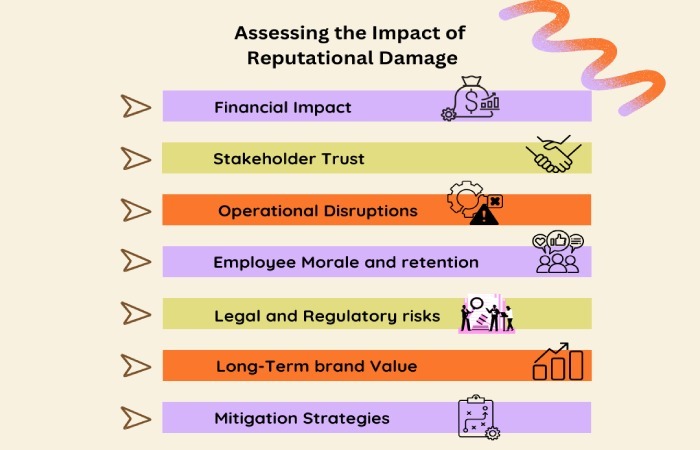
Reputational damage
If your brand name gets involved in any kind of cyberattack, its reputation will surely take a toll. Customers and prospects will question their choice and may switch to your competitors. After all, it’s your responsibility to secure the personal details they shared with your business.
Exploitable email authentication
With no DMARC aggregate reports, you won’t get insights into all the emails sent from your domain. This simply translates into being blind to many potential SPF, DKIM, and DMARC issues. Misconfigured SPF, DKIM, and DMARC records open gateways for cybercriminals to come and send phishing emails on your behalf without having them get blocked.
Compliance issues
If you don’t use alternate methods to analyze the DMARC aggregate reports, then your organization will be open to compliance and potential financial penalties, as many regulatory bodies require the evaluation of these reports.

Why does DMARC reporting matter?
With DMARC reports, you get the data and insights delivered right into your inbox, helping you verify SPF alignment across every sender. This is important to strengthen email infrastructure and keep cybercriminals away while also focusing on problems and errors that could lead to reputational, operational, and financial damages.
If you have already achieved DMARC enforcement, then keeping up with this new change can feel like an added expense. This feels more burdensome when you switch vendors or email service providers because these situations often trigger configurational issues. But if you use the right tools and have experienced people by your side, this expense can be reduced. You need to sort ways to streamline reporting and configurational adjustments.

Also, you can’t forget the fact that DMARC is not a one-time process; it requires constant attention to maintain its effectiveness and stay valid with respect to your domain. It’s important to use monitoring tools so that you know what adjustments to make, and a free SPF checker helps you catch record issues early. You can’t walk around with misconfigured SPF, DKIM, and DMARC records without fearing that threat actors will exploit them for phishing, spoofing, BEC attacks, etc.
It’s best if you look for a tool alternative to Mail Check’s aggregate reporting feature. Ensure that it-
-
Presents data in easy-to-understand charts and dashboards.
-
Aggregates reports from all major email receivers reliably.
-
Shows SPF/DKIM pass/fail results, sending sources, IPs, volumes, and geolocation.
-
Notifies you of authentication failures or suspicious activity quickly.
-
Lets you sort and search reports by domain, sender, policy action, etc.
-
Maintains report history for trend analysis and auditing.
-
Allows different users to view or manage reports securely.
-
Offers report downloads and API access for integration with other tools.
Topics
General Manager
General Manager of DuoCircle. Product strategy and commercial lead for AutoSPF's 2,000+ customer base.
LinkedIn Profile →